CHOSEN, NOT ASSIGNED
Metal, shape and stone, picked for who you've decided to be and to embrace who you've become.
Every Onorica piece is made to order. Nothing is taken off a shelf, and nothing needs to be chosen for the wrong reason.
You won't find birthstones in these guides. The day you were born was chance. Who you've become isn't — and that's the person we'd rather honour.
So instead, we've organised things around colour, character and how a piece actually lives with you: what holds up on a ring you rarely take off, what is better suited to a pendant, and what each material asks of you over time.
No quiz. No prescribed meanings. No gemology degree required.
If what you imagine isn't here, ask. It's all made for you.
OUR GUIDES
These guides were built to help you choose with a little more context — not to tell you what suits you.
Each one combines practical information with visual language: colour theory, undertones, durability, wear, proportion and the way different materials behave over time. Where it matters, you'll also find the more subjective associations that have become part of the Onorica universe.
Some come from design. Some from material behaviour. Some are simply personal.
A pearl, for example, means motherhood here. Not because it has to, but because that is the meaning it has come to hold within Onorica.
So take these guides as a point of reference rather than a set of rules. Use what resonates, ignore what doesn't, and choose the piece that feels most like yours.
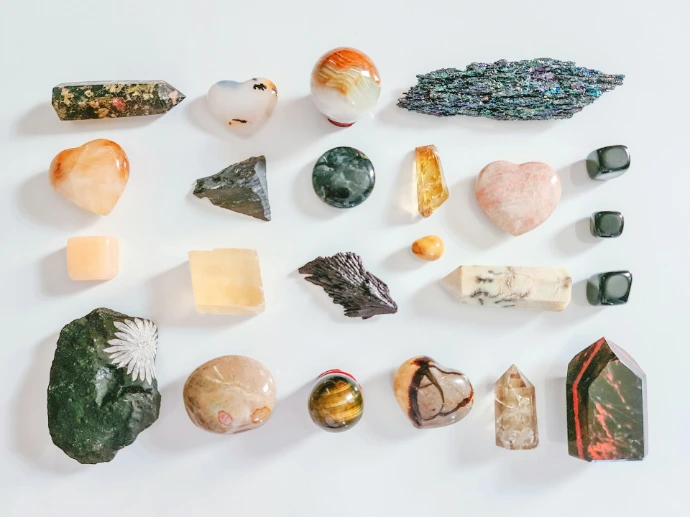
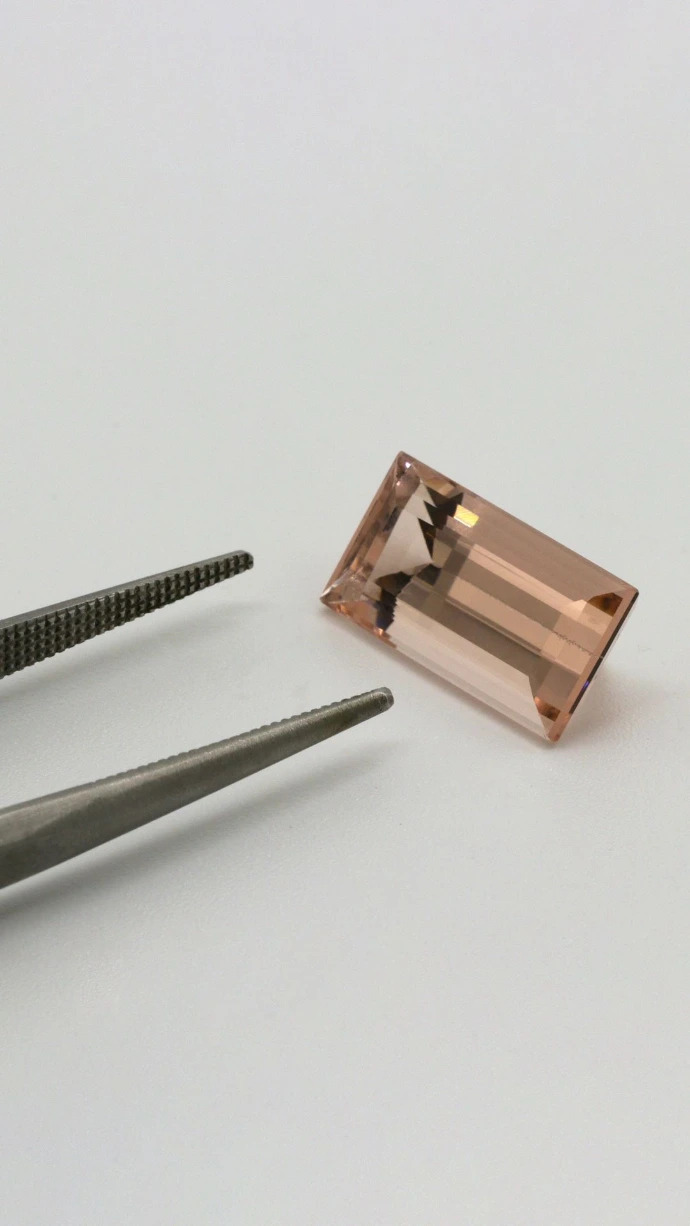
THE GEM
Colour first. From the deepest, boldest shades to the quietest ones — with the practical things worth knowing before you choose.
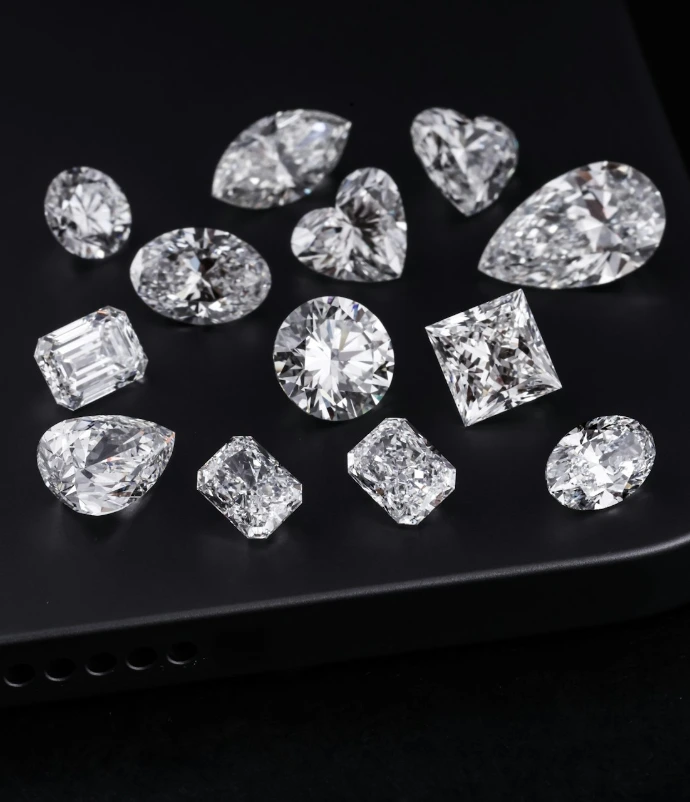
THE SHAPE
Twelve shapes. Twelve temperaments. No personality test required.
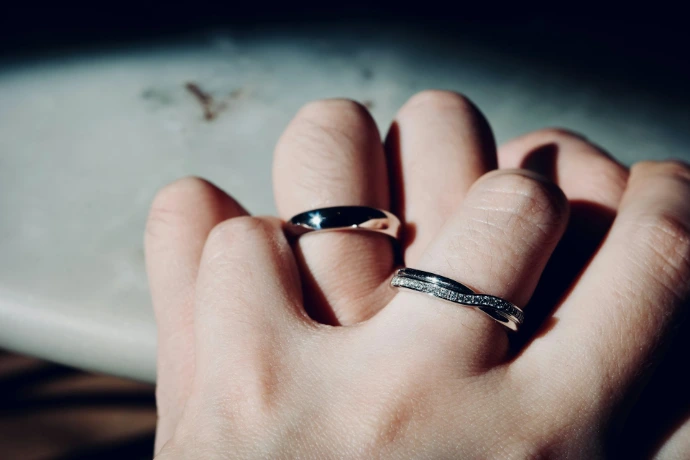
THE METAL
From silver to champagne gold: their tones, how they age, and what living with each one looks like.
Because we prefer choice over assignment. Birthstones are tied to when you were born; these guides are designed around who you are, what you're drawn to, and how you actually want to wear the piece.
Not necessarily.
Some references come from material properties, colour theory, design language or cultural associations. Others belong specifically to the Onorica universe. When a meaning is personal to Onorica, we treat it as such rather than presenting it as a universal truth.
Look at the shades you naturally return to, how much contrast you want, and whether you prefer something quiet or more present. From there, consider durability and where the stone will be worn.
A stone you love for a pendant may not always be the best choice for a ring worn every day.
Onorica uses natural coloured gemstones and lab-grown diamonds.
The choice is intentional: coloured stones are selected for their natural variation and character, while diamonds are lab-grown by conviction rather than treated as an investment object.
Because for Onorica, a diamond is a material to be worn, not a financial asset.
Lab-grown diamonds have the same crystal structure and physical properties as mined diamonds, while allowing us to separate the stone from the idea that its value should come from scarcity or resale.
Yes.
The guides are a starting point, not a catalogue of everything we can make. If you have something specific in mind, ask.
Of course.
The guide is there to give you vocabulary, not to replace your own associations. If a particular stone, colour or material already means something to you, that matters more than anything written here.
They are references, not rules. Keep what helps. Ignore what doesn't. The final choice is yours.